
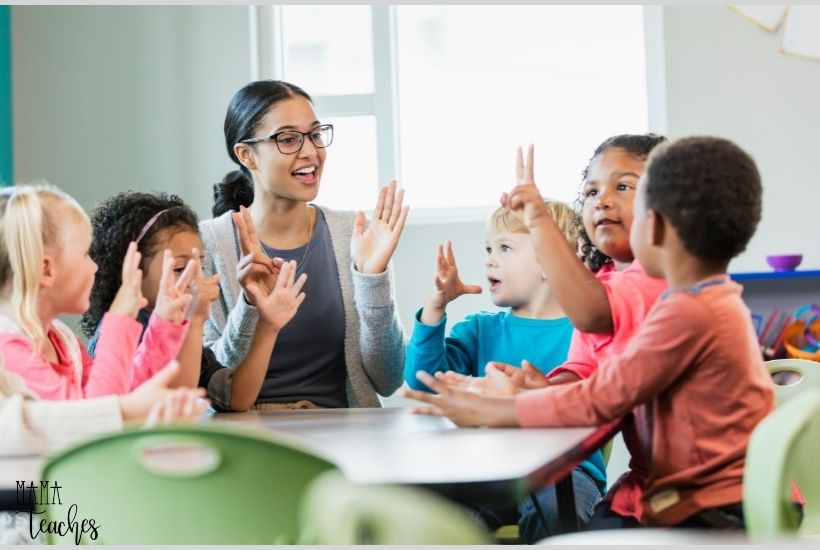
The education sector is changing quickly, and three important parts—Higher Education Trends, Teacher Training Programs, and Classroom Management Techniques—are defining the future of learning. As technology gets better and businesses around the world change, schools need to change their ideas, instructional methods, and tools. Today’s students want personalized learning, new methods, digital platforms, and education that focuses on skills. This article talks about how Higher Education Trends are altering the way schools work, how Teacher Training Programs get teachers ready for new problems, and how good Classroom Management Techniques make the classroom a good place to study.
Getting to Know Trends in Higher Education
Higher Education Trends are the innovative ways, methods, and practices that colleges and universities are using to make their classes better. These trends help schools stay important in a world that is very competitive. The goal of Higher Education Trends is to make sure that students learn useful, career-ready information instead of old theories.
One big change in Higher Education Trends is that more and more people are learning online. Students may learn anytime and anywhere thanks to digital platforms, virtual classrooms, and hybrid learning approaches. This flexibility helps students who have jobs, travel, or reside in remote places. Another key development is personalized learning, which lets students pick classes based on their interests, skill level, and goals. This method helps people understand better and keeps them interested in learning.
Artificial intelligence, data analytics, virtual labs, and partnerships with businesses are also becoming more common in higher education. Companies and universities now work together to offer real-world training, internships, and skill-based programs. This makes sure that students get hands-on experience and are ready for work.
Competency-based education, global exchange programs, and mental health support networks are also becoming big parts of trends in higher education. These trends are all about helping students grow, learn new skills, and feel better emotionally. As education grows more global, institutions want to create learning systems that are open to everyone, employ technology, and focus on skills that will help students get ready for modern jobs and lifetime learning.
The Importance of Teacher Training Programs in Today’s Schools
Teacher training programs are important for making teaching better and making sure that teachers learn about new ways to teach. These programs assist teachers learn about the demands of today’s classrooms, how students think, and new ways to educate. Teachers need to keep learning and improving their skills all the time in a world where information is always changing.
Teacher training programs cover a lot of key topics, like how to teach, how to use technology in the classroom, how to talk to students, how to handle conduct in the classroom, and how to grade students. They teach teachers how to deal with different kinds of classrooms, engage with kids in a good way, and create good places for learning.
One of the hardest things for instructors to do these days is become used to using digital tools and teaching online. Teacher training programs teach teachers how to use smart boards, learning applications, digital tests, AI-powered tools, and virtual classrooms. This training makes sure that teachers are comfortable utilizing new technology and can give good lessons.
Teaching programs often include training in emotional intelligence, which is very important. Teachers learn how to deal with student tension, encourage them, help them with learning problems, and give them good comments. Emotional support is a big part of how well students do in school. Teachers who are well-trained make caring environments that help students feel better about themselves and less anxious.
Teacher training programs also encourage teachers to keep learning and growing in their jobs. Many schools and organizations offer workshops, refresher courses, seminars, and certification programs to help teachers progress in their jobs. These programs make the school system stronger and make sure that pupils get help from teachers who are smart, caring, and qualified.
Learning how to manage a classroom
Teachers employ classroom management techniques to make sure that their students learn in a nice, structured, and disciplined way. Even the best curriculum or teaching style won’t work if they aren’t managed well. Setting rules, keeping things in order, promoting participation, and creating a positive classroom culture are all parts of classroom management.
Setting clear expectations is one of the most popular ways to manage a classroom. Students are more likely to follow the rules when they know what behavior is acceptable. Teachers also employ positive reinforcement, such praise or awards, to get kids to do what they want and stop bad conduct.
Using fun activities is another crucial way to manage a classroom. Students keep focused and don’t get distracted when they are learning in an interactive way. Group work, conversations, hands-on exercises, and digital tools keep students interested and involved.
Time management is also a part of classroom management. Teachers need to prepare their lessons well, make sure that activities go smoothly from one to the next, and not waste time. Students feel at ease and motivated when the classroom is well-organized.
Classroom Management Techniques also focus on making deep connections with students. Discipline issues go down on their own when kids respect and trust their professors. Teachers that care about their pupils, listen to them, and encourage them to participate make sure that every kid feels important.
Digital tools are now also used in modern classroom management to keep track of attendance, check on students’ work, and stay in touch with them. Technology helps teachers keep the classroom running smoothly and helps students learn in a way that works best for them.
How trends in higher education, teacher training programs, and classroom management techniques work together
Higher Education Trends, Teacher Training Programs, and Classroom Management Techniques are not the same thing, yet they are all very important parts of the education system. When combined, they make a balanced and effective learning space that helps both students and teachers.Higher Education Trends bring in new ways to educate, new tools, and new ways to study.Teacher training programs help teachers learn how to apply these new trends in the best way.Classroom management techniques make sure that these strategies perform well in the classroom.For instance, when colleges and universities start using digital learning platforms, teachers need to learn how to use them through Teacher Training Programs. Teachers can use Classroom Management Techniques to keep pupils in line and interested in digital or hybrid settings.
Another link is learning based on skills. One trend in higher education is the rise of programs that help students build skills and prepare for jobs. Teacher training programs show teachers how to impart these useful lessons. Teachers can utilize classroom management techniques to keep students attentive during hands-on training.
When all three parts operate together:
- Learning goes smoothly
- Students keep interested
- Teachers have faith in themselves
- Organizations keep coming up with new ideas.
- Better academic results
This comprehensive strategy produces a modern, healthy, and successful learning environment.
Conclusion
Trends in higher education, teacher training programs, and ways to manage a classroom are all important parts of modern education. They make sure that children have great learning experiences, teachers get better at their jobs, and schools are ready for the future. Higher Education Trends help schools come up with new ideas, Teacher Training Programs get teachers ready to use them, and Classroom Management Techniques make the classroom a place where learning can happen. These parts work together to make a strong education system that gets children ready for a future that is successful, confident, and meaningful.