
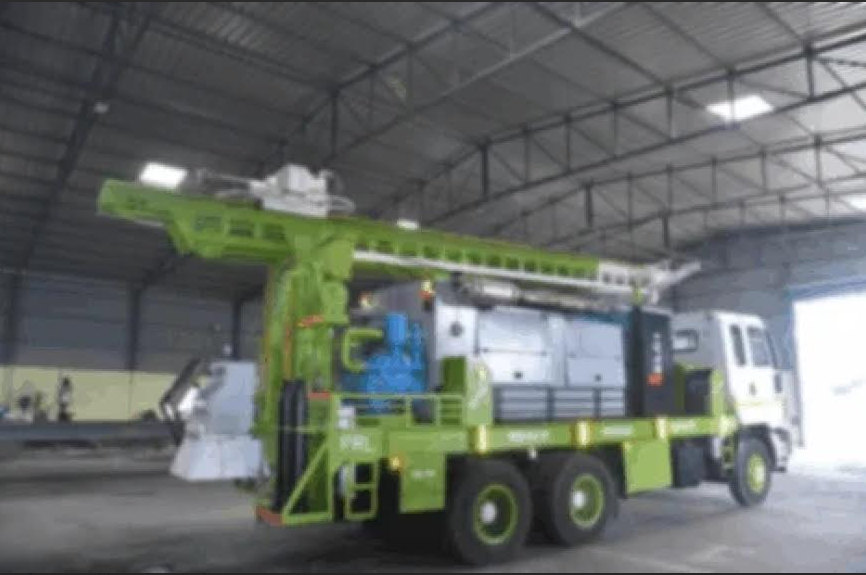
Engineered drilling rigs are designed to deliver reliable outcomes across varied geological conditions where soil composition, depth, and stability differ significantly. In regions with diverse terrain, the well drilling machine in India reflects advancements that prioritize controlled performance, durability, and adaptability. These systems are built to manage operational stress while maintaining drilling accuracy across multiple ground profiles.
Structural Engineering for Ground Compatibility
Drilling rigs engineered for multiple ground types rely on robust structural frameworks that maintain balance and strength under varying subsurface pressures. These rigs are developed with reinforced frames and optimized weight distribution to reduce instability when moving between soft soil, gravel, and rocky layers. The structural integrity allows consistent alignment during drilling, which helps prevent bore deviation and mechanical strain. By maintaining stability at different depths, engineered rigs support smoother drilling cycles and minimize interruptions caused by uneven terrain.
Power Transmission and Load Management
Efficient power transmission plays a critical role in drilling performance across ground conditions. Engineered rigs incorporate advanced hydraulic and mechanical systems that regulate torque and rotational force based on resistance levels. This adaptability ensures controlled penetration without overloading the system when encountering dense rock formations. In applications involving the well drilling machine in India, such load management supports operational continuity while extending the service life of essential components under demanding site conditions.
Tool Compatibility and Cutting Efficiency
Drilling outcomes are heavily influenced by the compatibility between rigs and cutting tools, particularly in complex geological settings. Collaboration with drill bit suppliers enables engineered rigs to operate with tools specifically designed for different soil and rock structures. This alignment improves cutting efficiency, reduces friction, and supports cleaner bore formation. Proper tool integration also minimizes wear on drilling assemblies, helping maintain performance consistency during extended drilling operations across mixed ground layers.
Operational Precision Across Variable Terrain
Precision remains a defining factor when drilling across unpredictable ground types. Engineered rigs are equipped with control systems that allow operators to adjust drilling parameters based on real-time ground feedback. This level of control ensures accurate depth progression and stable bore walls, even in layered or fragmented soil structures. Such precision reduces the risk of collapse or misalignment, supporting long-term well performance and structural reliability across diverse environments.
Durability and Long-Term Performance Reliability
Engineered drilling rigs are developed with durability as a core design principle to withstand repeated exposure to abrasive soil, moisture variations, and mechanical stress. High-grade materials, corrosion-resistant coatings, and precision-fitted components help maintain operational reliability over extended project timelines. This durability reduces downtime caused by component failure and supports consistent drilling output across multiple sites. By maintaining performance integrity under prolonged use, engineered rigs contribute to safer operations and predictable drilling results in challenging ground environments.
Conclusion
Performance across varied ground types depends on the synergy between engineered rig design, operational control, and tool integration. Reliable drilling outcomes are achieved when rigs are developed with adaptability and precision in mind, supported by dependable partnerships with drill bit suppliers. Within this evolving industry landscape, platforms like Prime Rigs are often referenced as part of the broader ecosystem that aligns engineering innovation with practical drilling requirements, contributing to stable and efficient drilling operations across complex geological conditions.