
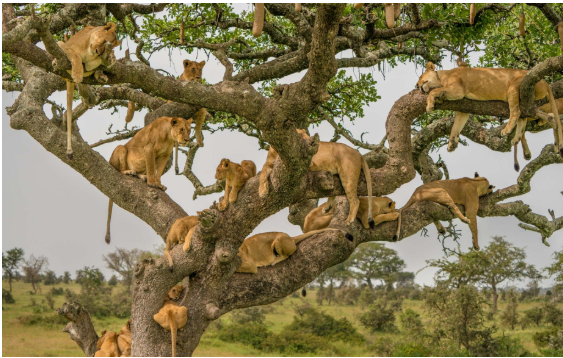
Few travel experiences match the raw scale of a Serengeti safari. Golden grasslands stretch to the horizon, lions doze in the shade of acacia trees, and over a million wildebeest move across the plains in an ancient rhythm. For many travelers, a Serengeti safari is the defining wildlife journey of a lifetime, and with good planning it can be both unforgettable and well within reach.
This guide covers what makes the Serengeti special, when to go, where to stay, what you will see, and how to prepare, so you can plan your trip with confidence.
What Makes the Serengeti Unique?
Serengeti National Park sits in northern Tanzania and covers roughly 14,750 square kilometers, an area larger than Connecticut. It joins Kenya’s Maasai Mara to the north, forming one of the largest intact savanna ecosystems on Earth. UNESCO inscribed the park as a World Heritage Site in 1981, recognizing its outstanding natural value.
The name comes from the Maasai word siringet, often translated as “the place where the land runs on forever.” Anyone who has stood on the open plains understands why. Unlike many safari destinations, the Serengeti is not defined by a single landscape. Within the park you will find:
- Endless short-grass plains in the south, ideal for spotting predators at a distance
- Acacia woodland and rocky outcrops (kopjes) in the central Seronera region, home to leopards and lions
- The Western Corridor, with the Grumeti River and its large crocodiles
- Remote northern hills and the Mara River, the stage for dramatic river crossings
This variety means that wildlife viewing remains rewarding in every season, not only during the famous migration.
The Great Wildebeest Migration Explained
No discussion of a Serengeti safari is complete without the Great Migration. Roughly 1.5 million wildebeest, accompanied by hundreds of thousands of zebras and gazelles, travel a circular route of around 800 kilometers each year in search of fresh grazing and water. There is no starting line, because the migration is continuous, but it follows a reliable seasonal pattern.
January to March: Calving season. The herds gather on the southern plains near Ndutu and the Ngorongoro Conservation Area border. Around half a million calves are born within a few weeks, often hundreds of thousands in a short window. Predators gather to take advantage, making this one of the best periods for dramatic hunting scenes.
April to May: Long rains and movement north. The herds begin to move through the central and western Serengeti. Rain is heavy, but the landscape turns green, crowds are thin, and lodge prices drop.
June to July: The Grumeti crossings. Herds often reach the Western Corridor and face their first major water obstacle, the Grumeti River, where crocodiles wait.
July to October: The Mara River crossings. In the far north, the herds attempt the Mara River, one of the most celebrated wildlife spectacles anywhere. Timing is unpredictable, so a stay of several nights in the north improves your chances.
November to December: The return south. With the short rains, the animals travel back toward the southern plains, and the cycle begins again.
Because weather affects movement, no operator can guarantee exactly where the herds will be on a given day. Good guides track recent sightings and adjust your route accordingly.
Best Time for a Serengeti Safari
The best time depends on what you want to see and how you prefer to travel.
Dry season (June to October). This is the most popular window. Vegetation thins, animals concentrate near water, and roads are in good condition. It also coincides with the Mara River crossings. Expect higher prices and more vehicles at popular sightings.
Calving season (January to March). Excellent for predator action and newborn animals, with wide-open views on the southern plains. The weather is warm with occasional showers.
Green season (April to May, November). Rain showers are common, but the scenery is lush, birdlife is spectacular, and rates are noticeably lower. This is a smart option for photographers and budget-conscious travelers.
If you can only choose one period, July to September suits those chasing river crossings, while late January to February is ideal for calving and predators.
Wildlife You Can Expect to See
The Serengeti supports one of the highest concentrations of large mammals in Africa. All of the Big Five are present, although rhinos are rare and most often seen in protected, closely monitored areas.
- Lions: The park is home to a large population, and prides are frequently seen resting on kopjes.
- Leopards: The Seronera River valley is among the best places in Africa to find them in the branches of sausage trees and acacias.
- Elephants: Present throughout the park, often in the north and the woodlands.
- Buffalo and hippos: Common near rivers and waterholes.
- Cheetahs: The open southern and central plains offer exceptional chances to watch them hunt.
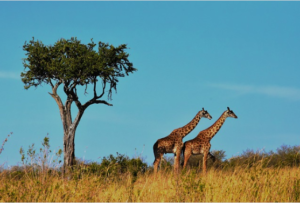
- Other highlights: Giraffes, hyenas, servals, jackals, topi, eland, and over 500 bird species, including ostriches, secretary birds, and colorful lilac-breasted rollers.
Types of Serengeti Safari Experiences
Game Drives
The classic way to explore is by 4×4 safari vehicle with a pop-up roof. Morning and late-afternoon drives offer the best light and animal activity. Many travelers also take full-day drives with a packed lunch to cover more distance.
Hot Air Balloon Safaris
Floating over the plains at sunrise offers a completely different perspective. Flights typically depart from the central Seronera area and often end with a champagne breakfast in the bush. They are weather-dependent and should be booked in advance.
Walking Safaris
Accompanied by an armed ranger, guided walks let you appreciate tracks, insects, plants, and smaller details that vehicles pass by. They are available in selected areas and conducted under strict safety rules.
Cultural Visits
Many itineraries include respectful visits to Maasai communities, offering insight into traditional pastoral life. Choose operators who ensure the community benefits directly.
Where to Stay: Lodges, Camps, and Mobile Camps
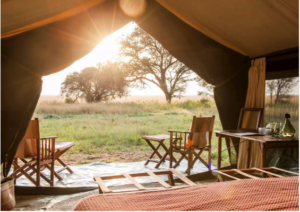
Accommodation shapes your safari experience as much as the wildlife does.
Permanent lodges provide comfort, restaurants, and sometimes pools, and suit travelers who prefer a more conventional hotel experience.
Tented camps deliver a closer-to-nature feel while still offering real beds, private bathrooms, and good food. They range from mid-range to ultra-luxury.
Mobile camps follow the migration, moving seasonally so you wake up near the herds. They offer an immersive, authentic experience and typically sit at the higher end of the price range.
Budget camping safaris use public campsites and basic facilities, a practical way to reduce costs while staying in the heart of the park.
Whichever you choose, location matters. Staying in the region where the herds currently are saves hours of driving each day and increases your time with the animals.
How Much Does a Serengeti Safari Cost?
Prices vary widely based on season, accommodation level, group size, and length of stay. As a general guide, budget camping safaris cost the least, mid-range lodge safaris sit in the middle, and luxury camps and fly-in itineraries cost the most. Park fees, concession fees, and vehicle costs are the main expenses, and they are usually higher in peak season.
When comparing quotes, check carefully what is included: park entry fees, meals, drinks, airport transfers, guide, and fuel. A cheaper quote that leaves out fees may cost more in the end. Fees and regulations change, so confirm current figures with your operator before booking.
Getting to the Serengeti
Most visitors fly into Kilimanjaro International Airport near Arusha. From there, you can drive to the Serengeti, usually via Ngorongoro Crater and Lake Manyara, which makes a scenic multi-day route. Alternatively, you can take a domestic flight from Arusha to airstrips within the park, such as Seronera or Kogatende, saving many hours of travel. Many travelers combine both, driving in and flying out.
Practical Tips for First-Time Visitors
- Choose a reputable operator. Look for licensed Tanzanian companies with strong reviews, experienced guides, and clear safety and ethical practices.
- Allow enough time. Four to six nights lets you see more than a rushed two-day trip and gives flexibility around weather and sightings.
- Pack in neutral colors. Khaki, olive, and beige work well. Bring layers, since mornings can be cool and afternoons hot.
- Bring the right gear. A hat, sunscreen, binoculars, a camera with a zoom lens, a power bank, and insect repellent are all useful.
- Check health requirements. Speak with a travel clinic about vaccinations and malaria prevention, and confirm current entry and yellow fever requirements.
- Buy travel insurance. Choose a policy that covers medical care and evacuation.
- Respect wildlife. Keep your voice low, never leave the vehicle unless instructed, and follow your guide’s directions.
Responsible and Sustainable Safari Travel
Tourism funds conservation, anti-poaching patrols, and community development around the Serengeti. You can amplify that benefit by choosing lodges that employ local staff, reduce plastic and water waste, and support community projects. Staying in smaller camps, keeping a respectful distance from animals, and never feeding wildlife all help protect the ecosystem for future visitors.
Conclusion
A Serengeti safari is more than a holiday; it is an encounter with one of the planet’s last great wild spaces. From the thundering river crossings of the north to the quiet drama of a leopard in a tree at dawn, the park rewards patience, curiosity, and good planning. Match your travel dates to the experience you value most, choose a trusted operator, and give yourself enough days to let the landscape unfold. Do that, and the Serengeti will deliver memories that stay with you long after the dust has settled.
Key Takeaways
- The Serengeti covers about 14,750 square kilometers in Tanzania and is a UNESCO World Heritage Site.
- The Great Migration involves around 1.5 million wildebeest and is a year-round, circular movement rather than a single event.
- July to October is best for Mara River crossings; January to March is best for calving and predator action.
- All of the Big Five live in the park, with rhinos being the hardest to see.
- Four to six nights is the ideal length for a first visit.
- Where you stay matters: base yourself near the herds to maximize wildlife time.
- Always compare what is included in safari quotes, and confirm current park fees.
- Choose responsible operators and lodges that support conservation and local communities.
Frequently Asked Questions
When is the best time to go on a Serengeti safari?
There is no single best time, since wildlife is present all year. June to October offers dry-season viewing and river crossings, while January to March is ideal for calving and predators. April, May, and November are quieter and cheaper.
How many days do I need for a Serengeti safari?
At least three nights in the park is recommended, and four to six nights is better. This gives you time to explore different regions and increases your chances of key sightings.
Can I see the Great Migration all year?
Yes, the herds are always somewhere in the Serengeti-Mara ecosystem, but their location changes. Your itinerary should be timed to the region where the herds are expected during your travel dates.
Is a Serengeti safari safe?
Safaris with licensed operators and trained guides are generally very safe when you follow instructions. Stay inside the vehicle during game drives, keep a safe distance from animals, and never walk around camps at night without an escort.
How much does a Serengeti safari cost?
Costs depend on season, accommodation, and group size. Budget camping trips are the most affordable, while luxury tented camps and fly-in safaris cost the most. Request itemized quotes to compare accurately.
Do I need vaccinations or malaria tablets?
Malaria is present in Tanzania, and requirements for vaccinations can change. Consult a travel health professional well before departure and check current entry rules.
Is the Serengeti better than the Maasai Mara?
Both are exceptional and form one ecosystem. The Serengeti is larger and generally less crowded, offering more varied landscapes, while the Maasai Mara is more compact and easier to reach from Nairobi. Many travelers choose based on logistics and budget.
Can children go on a Serengeti safari?
Many lodges welcome families, though some have minimum age limits and activities such as walking safaris or balloon flights may be restricted. Check each property’s policy and plan shorter game drives for younger children.