

Mobile casino applications have reshaped the way gamblers get to real-money games, shifting the experience from bulky desktop setups to polished, pocket-sized gaming hubs https://lalabet.co.at/app/. A properly designed casino application does much more than simply shrink a website to suit a smaller screen. It utilizes device hardware, improves touch interactions, and introduces exclusive functionalities that browser-based platforms cannot match. For anyone thinking about installing a dedicated casino app like the LalaBet Casino mobile application, understanding the core feature set is the initial step toward a more fluid and more rewarding experience. This guide explains every critical component, from installation and navigation to security, payment processing, game performance, and customer support. By examining what differentiates a polished app from a mediocre one, players can make smart decisions and set up their devices for uninterrupted play. The sections that follow look into device compatibility, download steps, touch-optimized game lobbies, push notification management, biometric login options, streaming capabilities, and responsible gaming controls, delivering a detailed guide of the modern casino app landscape.
Push Notifications and In-App Notifications
Push notifications act as the vital link between the casino operator and the player when the app is not currently in use. Unlike email promotions that are buried in crowded inboxes, a well-timed notification about a new game release, a reload bonus, or a live tournament can draw a player back to the app within seconds. The most robust casino apps offer granular control over notification categories. A player might activate alerts for withdrawal completions and exclusive bonus offers while disabling promotional pushes for specific game verticals they do not play. This customization resides inside a dedicated notification settings panel, grouped by topic rather than shown as a single on/off switch. Notifications utilize device-level APIs to show up on the lock screen with rich media, featuring the operator’s logo and a concise message body. Deep linking makes sure that tapping a “new Megaways slot available” alert opens the app directly to that specific game, not just the lobby.
In-app messaging works differently from push notifications, acting as a logged communication channel visible only while the app is active. Account managers or automated systems utilize this feature to send personalized game recommendations, VIP tier upgrades, and support ticket updates. The inbox sorts messages by date and category, and unread badges on the navigation icon invite users to check new content without interrupting their session. Both push and in-app channels respect the player’s contact preferences, and any time devoted reading support replies inside the app adds up toward session limits if the responsible gaming timer is running. By balancing timely outreach with user-controlled filters, a mature notification system strengthens engagement without growing into intrusive, turning the app into a personalized hub rather than a blanket marketing megaphone.
System Compatibility and Technical Specifications
Before beginning any download, verifying if a specific smartphone or tablet meets the minimum requirements avoids delays and eliminates performance headaches. Casino apps like the LalaBet Casino application are commonly designed for the two dominant mobile operating systems, iOS and Android, each with its own set of version cutoffs. For Apple devices, an operating system of iOS 14.0 or later is usually needed, which encompasses iPhone models from the 6s onward and most iPads released after 2016. On the Android side, the app generally demands version 8.0 (Oreo) or newer, with stable support across manufacturers including Samsung, Google Pixel, OnePlus, and Xiaomi. Beyond the OS, available storage space becomes a critical factor. High-quality casino apps with integrated game engines and graphics libraries can demand between 150 and 400 megabytes of free space, and that figure expands as games are cached and updates are applied. A device with at least 2 gigabytes of RAM guarantees that live dealer streams and animation-heavy slot titles run without stuttering or unexpected closures.
Screen resolution and aspect ratio also impact the visual output. Modern casino apps adjust dynamically to edge-to-edge displays, notched screens, and foldable devices, but users with older tablets may experience letterboxing or stretched interfaces. A stable internet connection is non-negotiable; while some apps permit offline demo modes for a handful of slots, any real-money wagering, live casino session, or deposit action requires a consistent 4G, 5G, or Wi-Fi signal. App developers publish periodic updates to address security gaps and add new game titles, so enabling automatic updates through the App Store or Google Play Store (or the official APK source) maintains the software aligned with the operator’s server protocols. Players who use less common mobile operating systems, such as HarmonyOS or custom Android forks, should confirm compatibility directly through the operator’s support team before attempting installation. Confirming these details upfront eradicates the most common setup hurdles.
System Optimization and Problem Solving
Sustaining smooth performance across numerous device models requires constant improvement from the app development team. Casino apps rely on graphics acceleration to generate slot animations and live dealer streams at steady frame rates; if a device overheats or its battery optimization software restricts the processor, the app should gracefully reduce visual complexity rather than crash. Users can boost performance by shutting down background apps that fight for RAM, maintaining the operating system updated, and purging the app cache periodically through a specific option inside the settings menu. When network latency leads to a live blackjack table to freeze, the app presents a spinning icon and attempts to reconnect for a configurable number of seconds before automatically voiding any pending bet according to the operator’s game rules. A built-in connection quality indicator—viewable during live games—displays green, amber, or red status bars so players can determine whether to change from mobile data to Wi-Fi mid-session.
Typical troubleshooting steps are available even when the app fails to load properly. A force-stop function available through the phone’s system settings purges the application from memory without deleting saved preferences or login tokens. If persistent crashes take place after an OS update, reinstalling the app from a fresh download package fixes most conflicts, and the player’s balance and game progress keep safe on the server side. Support teams can from afar diagnose issues if the user gives temporary log access through an in-app permission prompt. By providing proactive maintenance reminders—such as suggesting a cache clearance when the app spots sluggish load times—the software minimizes player frustration and support ticket volume simultaneously. This concentration on anticipatory troubleshooting converts what could be a frustrating technical episode into a five-second fix that keeps the gaming session intact.
UI and Navigation Design
The most overlooked feature of any casino app is its navigation architecture, yet it directly shapes how quickly a player locates a preferred game or controls their account. An efficient mobile interface discards the multi-column layouts of desktop sites in favor of a bottom navigation bar or a collapsible hamburger menu that maintains critical actions accessible by one thumb. Casino apps designed with mobile-first principles segment their lobby into horizontal scroll strips titled “Slots,” “Live Casino,” “Table Games,” and “Jackpots,” allowing users to swipe sideways through categories without leaving the main screen. A always-visible search bar placed at the top of the lobby lets players pull up specific titles by name or provider in seconds, bypassing the need to tap through multiple submenus. Color contrast, icon size, and touch-target spacing are optimized to reduce mis-taps, which is particularly crucial when real money is at stake and an accidental spin on a high-stakes slot could prove costly.
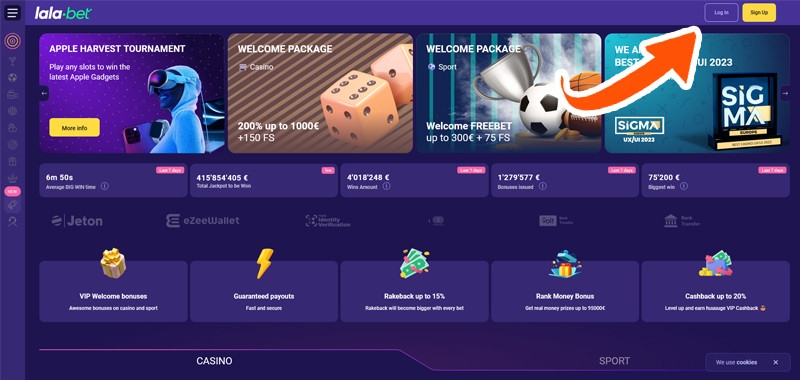
Beyond the game lobby, the cashier and account management sections must be logically arranged and responsive. Tabs for “Deposit,” “Withdraw,” and “Transaction History” should be visible immediately upon entering the banking area, with saved payment methods displayed as recognizable card or e-wallet icons rather than obscure text strings. A well-designed casino app also features quick-jump shortcuts; for example, tapping the account balance at the top of any screen brings up the deposit panel, and long-pressing a game tile puts it to a favorites list without navigating into a submenu. Loading speeds between sections are important enormously. An app that pauses for two or three seconds each time a user switches from slots to live casino generates friction, whereas one that renders screens asynchronously feels instant. The LalaBet Casino app showcases this design philosophy by caching lobby thumbnails and provider filters, so returning players dedicate minimal time waiting for the interface to populate. Good navigation design eventually fades into the background, allowing the player focus entirely on the game.
Installing and Setting Up the Mobile App
Getting a dedicated casino app is a bit different between iOS and Android environments, and adhering to the correct procedure stops blocked installations or security warnings. For iPhone and iPad users, the method remains simple since Apple’s walled-garden approach focuses distribution through the App Store. Searching for the official app by typing the exact brand name into the store’s search bar produces the verified result, recognizable by the operator’s logo and a substantial number of reviews. Tapping the download button fetches the package right to the home screen, and after a rapid installation, the app asks for permissions for notifications and location services, both of which can be adjusted later through the system settings. The whole iOS installation usually completes in under two minutes on a broadband connection.
Android users follow a slightly different route because Google Play Store policies regarding real-money gambling apps differ by region. In many jurisdictions, the app is distributed as a standalone APK file obtained from the operator’s website. The procedure begins by visiting the official mobile site, identifying the “Install App” or “Android APK” section, and launching the download. Before the file can run, the device’s security settings must be briefly adjusted to allow installations from “unknown sources” or “install unknown apps” for the browser being used. Once this toggle is enabled and the APK opens, the installation wizard guides the user through standard permissions. After the icon shows up on the home screen, the unknown sources setting may be turned off again to bring back the device’s default security posture. Players should remove the APK file after installation to free storage and prevent accidental re-installations of outdated versions. In both operating systems, starting the app for the first time prompts a login or registration screen, and existing account holders can immediately sign in without re-entering payment details if the operator offers tokenized credential storage.
Financial Services, Safety, and Responsible Gaming
Payments and Cashouts on the Go
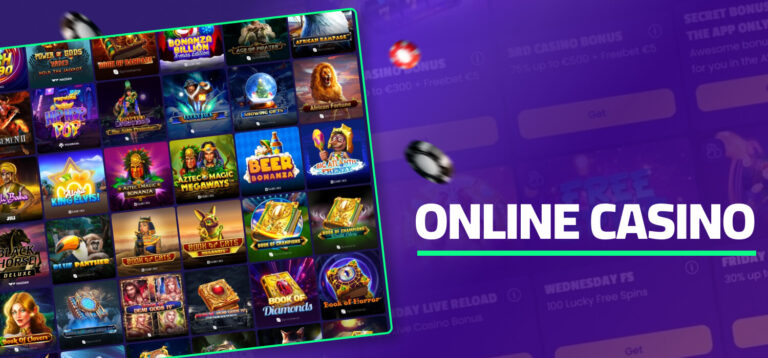
A seamless mobile cashier turns a casino app into a comprehensive financial tool. Deposit interfaces need to support an range of methods appropriate to the player’s region, including Visa, Mastercard, Skrill, Neteller, PayPal, Paysafecard, and instant bank transfer services. The mobile app holds encrypted payment tokens rather than full card details, so regular players can fund a balance with a single biometric confirmation rather than inputting sixteen-digit numbers on a small keyboard. Deposit limits are configurable directly within the cashier, and minimum and maximum amounts are shown dynamically based on the selected method. Withdrawals observe the same principle: the app shows pending, processed, and completed cashout requests with timestamps, and any mandatory identity verification documents can be sent by photographing them through the device camera. A dedicated notification informs the user when documents are approved or when additional information is needed, ensuring the process transparent without obliging the player to contact support.
Account Protection and Data Security
Protection on a casino app is more than a simple login screen. Modern implementations incorporate biometric authentication—fingerprint scanning or Face ID—that adds to the standard password entry, allowing registered device owners to open the app in a fraction of a second while stopping unauthorized access. All data sent between the app and the operator’s servers uses TLS 1.3 encryption, the same protocol employed by banking applications, and sensitive operations like password changes or withdrawal requests trigger an additional two-factor verification step sent via SMS or an authenticator app. The application sandbox prevents other installed programs from accessing the casino app’s cached data, and copy-paste functionality may be limited inside password fields to protect against clipboard snooping malware. Regular penetration testing by independent security firms guarantees the codebase stays resilient against emerging threats, and the app logs all login attempts so users can detect unusual activity immediately.
Responsible Gambling Controls
Carefully crafted casino apps embed responsible gaming tools directly into the account settings instead of burying them in a separate website section. Players can set daily, weekly, or monthly deposit caps that cannot be overridden without a cooling-off period, and session timers display elapsed play duration with an optional pop-up reminder when a predetermined interval is reached. Loss limits, wager limits, and reality-check notifications are adjustable through simple sliders and toggle switches. The self-exclusion function, when activated, blocks access to the app across all linked devices for a chosen span ranging from six months to five years, and the operator ensures that marketing communications cease simultaneously. Direct links to third-party support organizations such as GamCare and BeGambleAware are listed inside the tools section, and a self-assessment questionnaire helps players evaluate their gambling behavior discreetly. These features meet regulatory requirements while genuinely empowering users to manage their time and spending without exiting the gaming environment.
Game Library and Live Streaming
Game Choice and Efficiency
A mobile casino app succeeds or fails by the extent and enjoyability of its slot collection. Top apps incorporate titles from numerous software providers such as NetEnt, Pragmatic Play, Play’n GO, and Evolution, each of which fine-tunes its game clients for touchscreens using HTML5 frameworks. Mobile slots open directly within the app shell without opening an external browser window, and the finest implementations support both portrait and landscape orientations so players can select the grip that feels most comfortable. Features such as turbo spin, autoplay with loss limits, and swipe-to-spin functionality are designed specifically for mobile gestures rather than simply copying desktop click patterns. The visual quality must adjust cleanly to high-DPI displays, guaranteeing text on paytables remains legible without pinching to zoom. Audio design also changes: games mute automatically when a phone call breaks into the session, and sound continues at the previous volume without startling the player. Progressive jackpot totals change in real time, displayed clearly on the lobby tile so players can spot seven-figure prize pools at a glance.
Live Casino Integration
Live dealer games constitute the most technically complex segment of a casino app. Streaming high-definition video from a professional studio to a smartphone requires adaptive bitrate technology, which modifies picture quality in real time based on available bandwidth and stops buffering mid-hand. Dealers are shown in full-screen mode with a collapsible bet panel overlaid transparently, so players can position chips without hiding the table. Dedicated live casino sections split blackjack, roulette, baccarat, and game-show titles into subcategories, and many apps now offer portrait-mode tables designed specifically for single-hand play on a smartphone. A live chat window is located alongside the video feed, allowing real-time communication with the dealer and other participants without covering the action. Latency, measured in milliseconds, determines how smoothly the stream syncs with the bet timer; top-tier apps hold this delay under one second. Players can also bookmark specific live tables—such as a particular roulette wheel or a blackjack seat—and navigate directly to them from the home screen on subsequent visits.
Exclusive App-Only Perks
Dedicated casino apps progressively act as entry points to functions that website users are unable to access, creating a strong reason to download the software including for players who normally favor desktop play. App-exclusive bonuses are the most noticeable of these benefits: a deposit match or free spins package marked “Mobile Only” funds immediately into the account when the qualifying deposit is processed through the app cashier. Beyond bonuses, apps can run live tournaments where the leaderboard refreshes in real time as players spin or play hands, featuring push notifications that alert participants when they have lost their position. Some platforms provide mobile-only game options, such as portrait-first roulette tables built from the ground up for vertical screens, including chip placement zones tailored for thumb reach and minimal scrolling.
Biometric quick-login and personalizable home screen shortcuts symbolize two further mobile-exclusive conveniences. Players who utilize the LalaBet Casino app can hold down the home screen icon to open a shortcut menu that jumps straight to the deposit screen or a chosen game without browsing through the lobby. The app may also connect with device widgets, presenting current bonus progress or a live jackpot counter on the phone’s home screen. Haptic feedback, where the device sends a subtle vibration on a big win or a bonus trigger, introduces a sensory layer that desktop play cannot match. These mobile-specific touches build up into an experience that seems native to the device rather than ported, and they illustrate why operators allocate resources heavily in app development in addition to their browser platforms. Players who make use of these features often find that the app becomes the default way they access their accounts, even if seated at a desk with a computer within reach.