
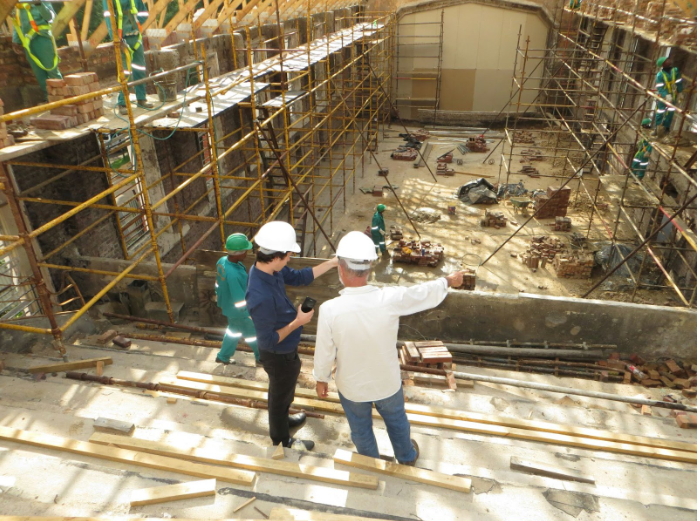
Complex facility projects look simple enough at first. Architects produce crisp drawings. Engineers run their calculations. Contractors quote prices and timelines. Then reality hits. Budgets go over, deadlines are missed, and the outcome satisfies no one. Where did things go awry? Sudden risks appeared too late. Identifying and avoiding these issues is key to a seamless experience versus utter disarray.
Integration Problems Nobody Sees Coming
Today’s facilities cram together tons of different systems. Heating needs to work with building controls. Security cameras feed into access management. Electrical systems power everything else. Test each piece alone, and it works fine. Hook them all together and watch the fireworks.
Here’s how it goes wrong: The mechanical guys design a chiller that pulls 200 amps. Meanwhile, the electrical team only ran 150-amp service to that area. Nobody notices until the chiller shows up on a truck. Now you need new panels, bigger transformers, and to rewire half the building. Two months behind schedule. Half a million over budget. One missed detail ruins everything.
Prevention beats repair every time. Get your teams in the same room early. Make them share plans and argue about conflicts while it’s still cheap to fix things. Use computer models to spot where pipes hit ducts before you buy anything. Don’t treat reality checks as an afterthought.
The Technology Trap
Shiny new technology makes big promises. Buildings that think for themselves. Systems that cut energy bills in half. Materials with an infinite lifespan. Vendors can be persuasive. But the newer the tech, the riskier it is. That groundbreaking cooling system looks great in the lab. Two years later it breaks, and nobody knows why. The smart building software company goes belly-up, taking your building controls with it. Spare parts vanish because the manufacturer moved on to the next big thing. Local repair crews have never seen this equipment before.
Old technology works, which is an advantage. You are aware of how long it lasts, where to find components, and who can service it. The key is to find a balance. Use new technology where appropriate but maintain simple building frameworks. Prepare for the experimental system’s failure.
Specialized Expertise Gaps
Modern facilities need people who understand incredibly specific things. Data center services demand experts who grasp the dance between power, cooling, networks, and physical security. Engineering consulting firms like Commonwealth that handle these projects know how all the pieces affect each other because they’ve learned the hard way. Too many projects stumble forward with teams flying blind.
The contractor who’s built strip malls for thirty years might botch a laboratory’s ventilation. The neighborhood engineering shop could miss critical redundancy requirements. Design teams might not even know about obscure regulations until inspectors shut everything down. Gaps in knowledge create gaps in budgets and schedules.
Project leaders who succeed do their homework on the team. They hunt for people who’ve built exactly this type of facility before. They grill candidates about specific challenges and red flags. They check references and visit past projects. Expertise costs money upfront but saves fortunes compared to learning expensive lessons yourself.
Conclusion
Complex facility projects fail when hidden risks catch teams off guard. Systems that won’t talk to each other cause expensive delays. Unproven technology breaks down and can’t be fixed. Teams without the right knowledge make fundamental mistakes. The good news? None of this has to happen. Get everyone coordinating from the jump. Pick technology that balances risk with reward. Hire experienced problem-solvers. Even hidden risks are discoverable by knowledgeable teams. Projects that anticipate these issues reach their intended goals: on schedule, within budget, and functioning correctly.