
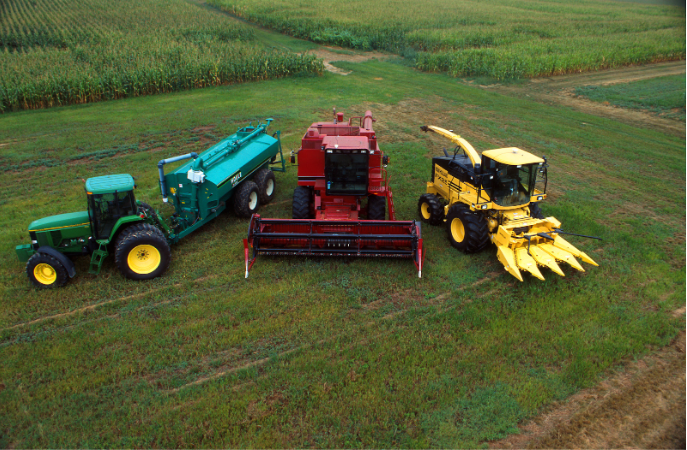
Choosing the right agricultural equipment is essential for running a successful farm. Using the correct machinery can make farming easier, more efficient, and productive. With many options available, selecting equipment that suits your farm’s needs can feel overwhelming. This article will guide you through the main factors to consider when choosing agricultural equipment, helping you make informed decisions.
Understand Your Farm’s Needs
The first step in choosing agricultural equipment is to understand the specific needs of your farm. Consider the size of your farm, the type of crops you grow, and the work you need to complete. Different crops and soil types may require different machinery. For example, a small vegetable farm may need a compact tractor, while a large grain farm might require a combine harvester. Understanding your farm’s needs ensures you invest in the right agricultural equipment for maximum efficiency.
Consider Your Budget
Agricultural equipment can be a significant investment, so it is important to consider your budget carefully. Determine how much you can spend and look for equipment that offers the best value for your money. Keep in mind that sometimes paying a little more upfront for high-quality equipment can save money in the long run, as it may last longer and require fewer repairs. Balancing cost with functionality is key to making a wise investment in agricultural equipment.
Evaluate Equipment Quality and Reliability
Quality and reliability are crucial when selecting agricultural equipment. Equipment that breaks down often can cause delays and increase maintenance costs. Look for reputable brands known for producing durable machinery. Check reviews, ask other farmers for recommendations, and consult with agricultural equipment dealers. Choosing reliable equipment ensures your farm operations run smoothly and reduces the risk of unexpected downtime.
Assess Efficiency and Productivity
Agricultural equipment should help increase the efficiency and productivity of your farm. Modern machinery often comes with advanced features that make tasks faster and easier. For example, automated systems in tractors or planters can save time and reduce labor costs. Evaluate how each piece of equipment will impact your workflow and whether it can help you complete tasks more effectively. Equipment that enhances productivity can be a valuable addition to your farm.
Think About Maintenance and Support
Maintenance and support are important factors when choosing agricultural equipment. Regular servicing is necessary to keep machinery in good working condition. Check if spare parts are readily available and whether local dealers provide maintenance services. Equipment that is easy to maintain and comes with strong support can reduce long-term costs and prevent interruptions in farm operations.
Consider Versatility
Versatility can be an important consideration, especially if you have a mixed farm. Some agricultural equipment can perform multiple tasks, such as tractors with different attachments for plowing, planting, and harvesting. Investing in versatile machinery can save space, money, and time by reducing the number of specialized machines needed on your farm.
Review Environmental and Safety Features
Modern agricultural equipment often includes features that improve safety and reduce environmental impact. Look for machinery that follows safety standards to protect operators. Additionally, some equipment is designed to be fuel-efficient or reduce soil compaction, which can benefit the environment and your farm in the long run. Choosing equipment with these features demonstrates responsibility and care for both your team and the land.
Conclusion
Selecting the right agricultural equipment is a crucial decision for any farmer. By understanding your farm’s needs, considering your budget, assessing quality and reliability, and reviewing productivity, maintenance, versatility, and safety features, you can make an informed choice. The right equipment can save time, reduce costs, and increase the efficiency of your farming operations. Investing thoughtfully in agricultural equipment ensures your farm remains productive and sustainable for years to come.