
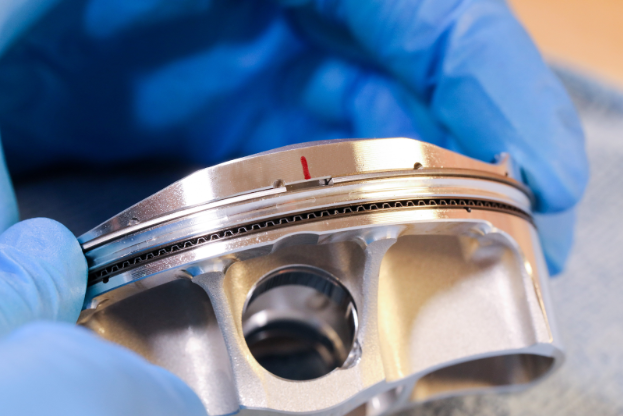
Steel piston rings are a crucial part of any engine. They help seal the combustion chamber, control oil consumption, and maintain engine performance. Choosing the right steel piston rings can make a big difference in how long an engine lasts and how efficiently it runs.
Many people find it confusing because there are different types, materials, and sizes to consider. Knowing what to look for can make the process much easier. The following tips can guide anyone in selecting the best steel piston rings for their engine needs.
Understand the Engine Requirements
Before choosing steel piston rings, it is important to know the engine’s specifications. Different engines require different sizes and types of rings. Using the wrong piston rings can cause engine damage or poor performance. Always check the manufacturer’s manual to see the recommended type of piston rings.
Consider the engine’s horsepower, operating temperature, and the type of fuel it uses. Matching the piston rings to the engine’s requirements ensures proper sealing and smooth operation.
Choose the Right Material
Steel piston rings come in various materials and coatings. Some are plain steel, while others have coatings such as chromium or molybdenum. The material affects the ring’s strength, durability, and resistance to wear. For example, chromium-coated rings resist corrosion and last longer under high temperatures.
Molybdenum-coated rings reduce friction and help engines run more efficiently. Selecting the right material depends on the engine’s workload and environment. Heavy-duty engines benefit from stronger, coated rings, while smaller engines can use standard steel rings.
Check the Ring Size and Fit
The size and fit of steel piston rings are critical for engine performance. Rings that are too tight can cause excessive friction and heat, while loose rings may lead to compression loss and oil leakage. Measuring the piston and cylinder carefully ensures the right fit. Many suppliers provide standard sizing charts to match pistons and rings.
A proper fit helps maintain engine efficiency, reduces wear, and prevents future mechanical problems. Taking the time to ensure correct sizing protects the engine in the long run.
Consider the Engine Type and Use
Different engines have different demands, and piston rings must match those needs. Engines used for high-performance vehicles or heavy machinery need rings that can handle more pressure and heat. On the other hand, standard engines used for daily driving may not need such heavy-duty rings.
Considering how the engine will be used helps select the right type of steel piston rings. Choosing rings designed for specific conditions improves engine reliability and performance.
Check for Quality and Brand Reputation
Quality matters when choosing steel piston rings. Low-quality rings may wear out quickly, cause engine problems, or even fail completely. It is important to buy from reputable brands that follow industry standards and testing procedures.
Reading reviews and checking warranty options can help identify trustworthy products. Investing in high-quality steel piston rings reduces maintenance costs and ensures the engine performs consistently over time.
Conclusion
Choosing the right steel piston rings may seem complicated, but following the proper steps makes it much easier. Understanding the engine’s requirements, selecting the right material, checking the size and fit, considering the engine type, and focusing on quality are key factors.
Taking time to research and select the best piston rings protects the engine, improves performance, and increases its lifespan. With careful selection, steel piston rings can provide reliable service and keep the engine running smoothly for years.