
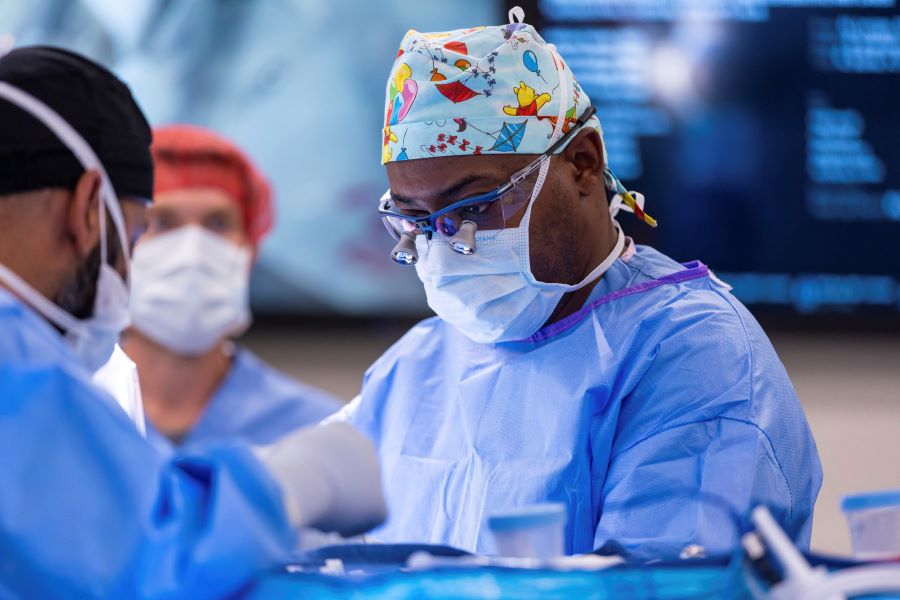
Children’s health needs are unique, delicate, and often highly specialized. As they grow, their bodies undergo rapid development, which means that health issues affecting critical systems such as the digestive tract and nervous system must be handled with extra precision. This is where specialists like a pediatric gastroenterologist play essential roles in safeguarding a child’s well-being.
From digestive disorders like chronic abdominal pain and reflux to neurological concerns involving development, cognition, or structural issues, having the right specialist can make all the difference in diagnosis, treatment, and long-term health outcomes. This blog explores how these three specialties work together to support children’s holistic health, the symptoms parents should watch for, and the latest treatment approaches available today. The interconnectedness of the gut, brain, and the complex hormonal system often means that an issue in one area can manifest symptoms in another.
For instance, chronic gut inflammation can impact neurodevelopment, while hormonal imbalances might exacerbate digestive problems. Therefore, a multidisciplinary approach integrating the expertise of a pediatric gastroenterologist, a pediatric neurologist, and a pediatric endocrinologist is crucial for a comprehensive and accurate assessment. This collaborative model ensures that all potential underlying factors are considered, leading to more effective and personalized care plans for children facing complex medical challenges.
Understanding Pediatric Gastroenterology
A pediatric gastroenterologist is a specialist focused on diagnosing and treating digestive, liver, and nutritional disorders in infants, children, and adolescents. Unlike adults, children require special care because their digestive systems are still developing. This means certain conditions present differently, progress more rapidly, or affect growth patterns.
Common Conditions Treated by Pediatric Gastroenterologists
A highly trained best gastroenterologist pediatric specialist handles conditions such as:
- Chronic abdominal pain
- Gastroesophageal reflux disease (GERD)
- Celiac disease
- Irritable bowel syndrome (IBS)
- Food allergies
- Inflammatory bowel diseases (IBD) like Crohn’s and ulcerative colitis
- Failure to thrive
- Nutritional deficiencies
- Constipation and motility disorders
- Liver disorders
Early detection remains vital, especially because digestive problems in children can quickly impact growth and development.
Warning Signs Parents Should Not Ignore
If your child is experiencing any of the following symptoms, it may be time to consult a pediatric gastroenterologist:
- Persistent stomach pain
- Blood in stool
- Sudden weight loss
- Chronic diarrhea or constipation
- Frequent vomiting
- Difficulty swallowing
- Poor appetite
- Jaundice
- Unexplained fatigue
These signs could indicate underlying gastrointestinal issues requiring specialized care.
Diagnosis Techniques Used in Pediatric Gastroenterology
To ensure accurate diagnosis, the best pediatric gastroenterologists use tools tailored for children:
- Pediatric endoscopy
- Colonoscopy with child-friendly sedation
- Ultrasound and MRI
- Food allergy testing
- Liver function tests
- Breath tests for lactose intolerance
- Nutritional assessments
Each method is designed to be minimally invasive and comfortable for young patients.
Tailored Treatment Plans for Children
Treatment often includes:
- Customized dietary plans
- Allergy elimination diets
- Medication for inflammation or reflux
- Probiotics and nutritional support
- Behavioral guidance for motility disorders
- Endoscopic therapeutic procedures
Gastro specialists work alongside nutritionists, pediatricians, and other experts to create a holistic recovery path.
The Critical Role of Pediatric Neurosurgeons
A pediatric neurosurgeon specializes in diagnosing and surgically treating nervous system disorders affecting the brain, spine, and peripheral nerves of children. While the term “neurosurgery” may sound intimidating, advancements in pediatric medicine have made procedures safer, less invasive, and more precise.
Conditions Managed by Pediatric Neurosurgeons
These specialists address conditions such as:
- Congenital brain abnormalities
- Hydrocephalus
- Brain tumors
- Epilepsy requiring surgical intervention
- Spinal deformities
- Chiari malformations
- Traumatic brain injuries
- Craniosynostosis
Their expertise ensures that the developing nervous system receives the highest level of care.
When Should You See a Pediatric Neurosurgeon?
Parents should seek evaluation if their child experiences:
- Persistent headaches
- Developmental delays
- Seizures
- Abnormal head shape or rapid head growth
- Frequent falls or motor difficulties
- Vision problems not explained by ophthalmology
- Behavioral changes
- Loss of balance
Early assessment can prevent complications and improve outcomes.
Advanced Tools Used in Pediatric Neurosurgery
A pediatric neurosurgeon may use specialized technology such as:
- High-resolution pediatric MRI
- Neuro-navigation systems
- Minimally invasive endoscopy
- Laser ablation systems
- Intraoperative imaging
These tools help maximize precision and minimize surgical risks.
How Gastroenterologists and Neurosurgeons Work Together
Although they specialize in different areas, a pediatric gastroenterologist and a pediatric neurosurgeon often collaborate. Many neurological conditions indirectly affect digestion. For example:
1. Neurological Influence on Digestion
Certain neurological disorders may impact swallowing, motility, or appetite.
2. Malnutrition and Brain Development
Digestive problems that affect nutrient absorption can influence cognitive growth.
3. Shared Diagnostic Pathways
Both specialists rely on advanced imaging and minimally invasive technology.
A multidisciplinary approach ensures accurate diagnosis, comprehensive treatment, and long-term well-being.
How Parents Can Support Their Child’s Recovery
Parents play a vital role in ensuring successful treatment outcomes. Here are steps that help:
- Maintain a detailed symptom diary
- Track food intake for gastro concerns
- Keep a record of behavioral changes
- Attend follow-up appointments consistently
- Ask specialists about long-term developmental expectations
- Support emotional and mental well-being during treatment
- Seek second opinions when necessary
Consistent monitoring helps specialists refine treatment plans based on real-life observations.
Choosing the Right Specialists for Your Child
Finding qualified experts, such as a pediatric gastroenterologist, the best gastroenterologist pediatric, is essential. Parents should look for:
- Board-certified pediatric specialists
- Child-friendly facilities
- Advanced diagnostic technology
- Proven track record with complex cases
- Multidisciplinary teams
- Empathetic communication style
Selecting the right care ensures safety, comfort, and faster recovery.
Conclusion
Children require specialized medical attention, especially when it comes to gastrointestinal and neurological concerns. From digestive discomfort to complex brain-related issues, the expertise of a pediatric gastroenterologist, the best gastroenterologist pediatric professionals, and a highly skilled pediatric neurosurgeon is essential. Early diagnosis, advanced tools, and a compassionate approach make all the difference in supporting a child’s long-term growth, development, and health. By choosing the right specialists and monitoring symptoms closely, parents can ensure a strong foundation for their child’s well-being.
At Ankura Hospitals, families find world-class pediatric care backed by advanced diagnostics, compassionate specialists, and dedicated child-friendly infrastructure. From expert pediatric gastroenterology to specialized neurosurgery support, Ankura delivers comprehensive, reliable, and holistic care for every child. Book a consultation today and let our specialists guide your child toward a healthier, brighter future.